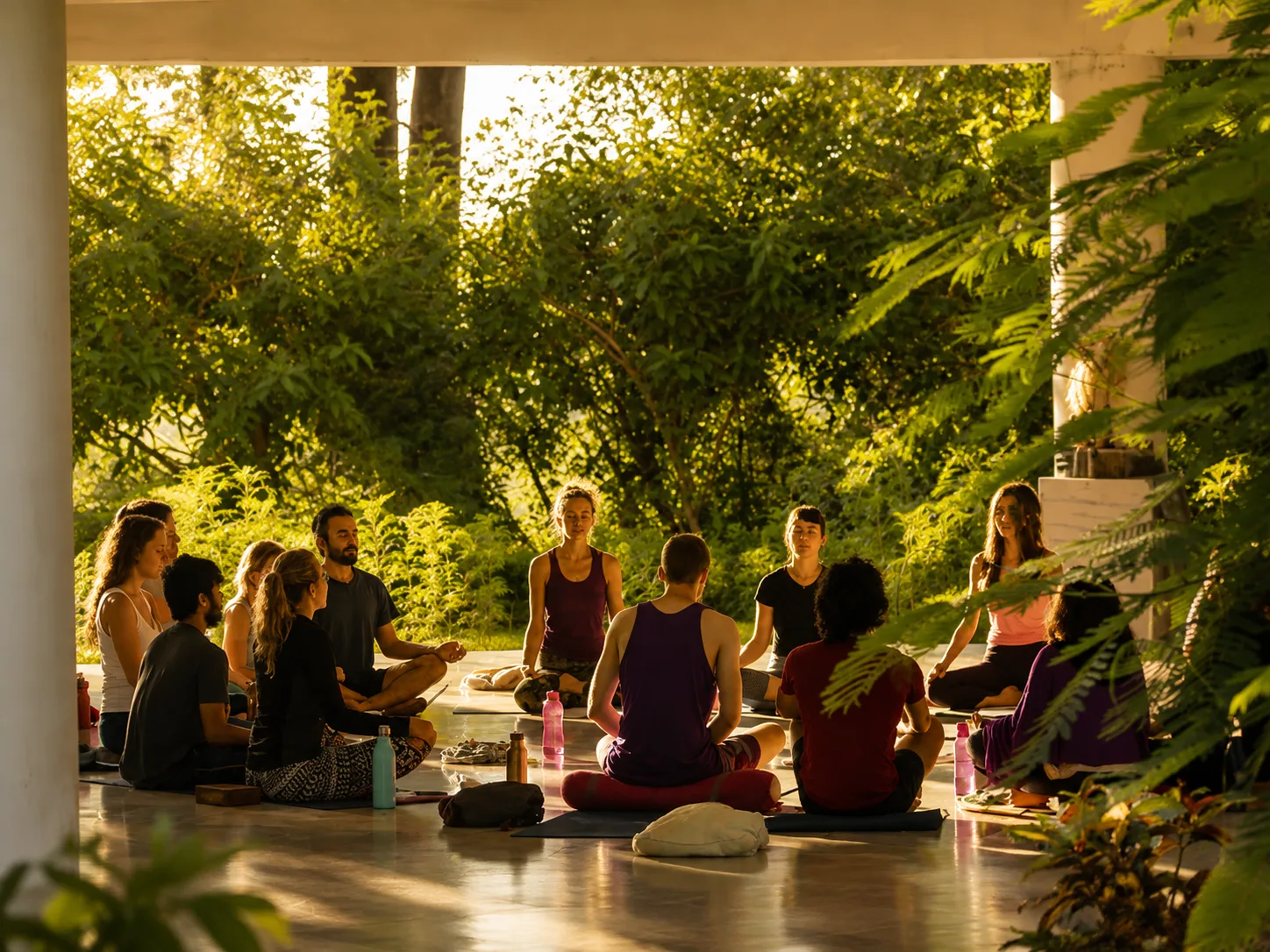
100 Hour Yoga TTC
Foundation Course
- Perfect for beginners
- Residential course with meals
Join our Yoga Alliance registered courses in the birthplace of yoga and learn from experienced teachers in a peaceful Himalayan environment.

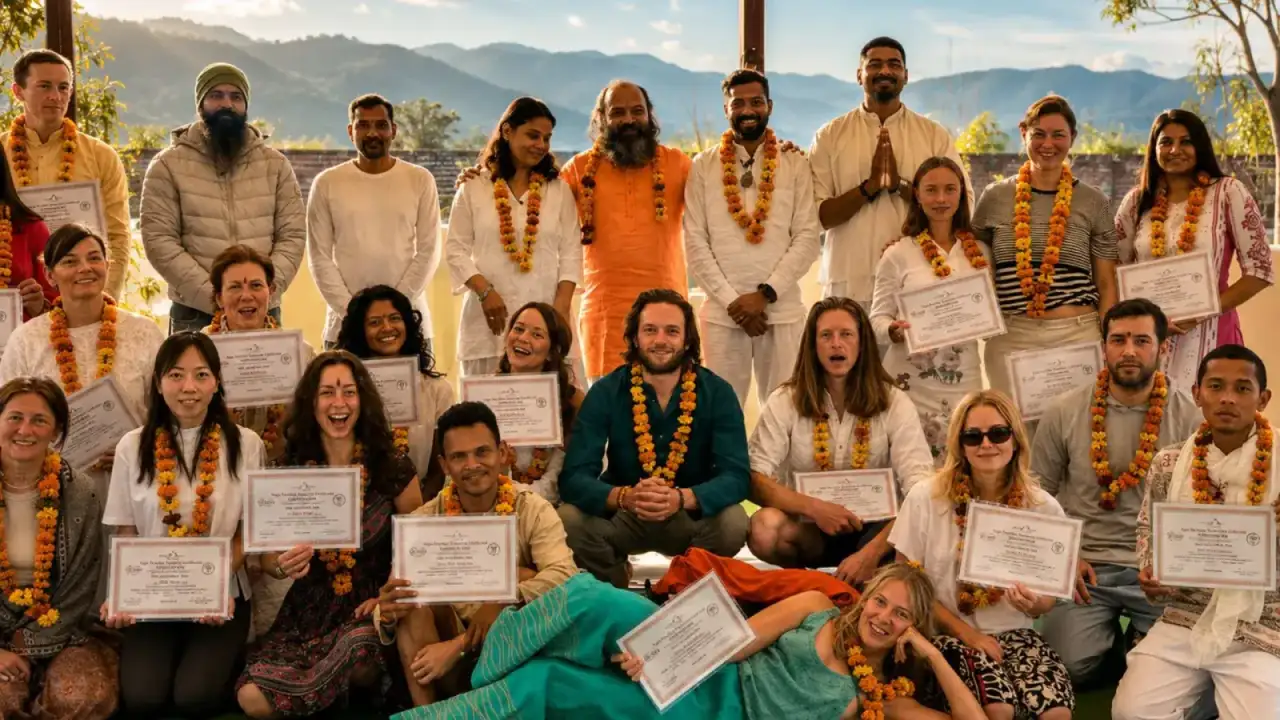
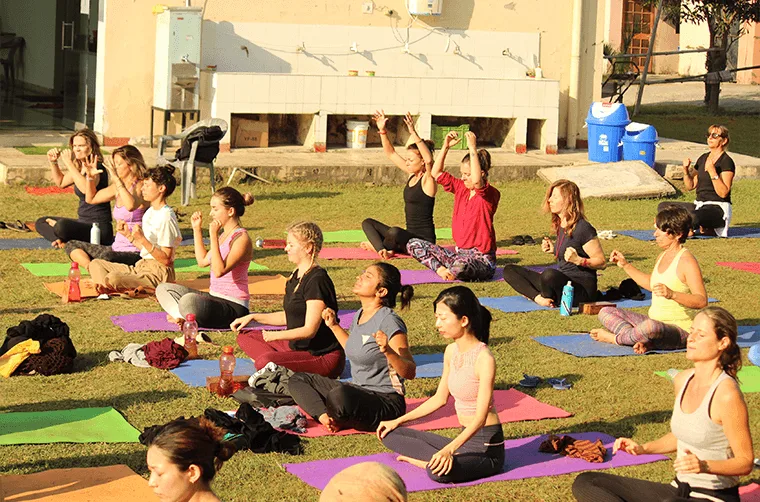
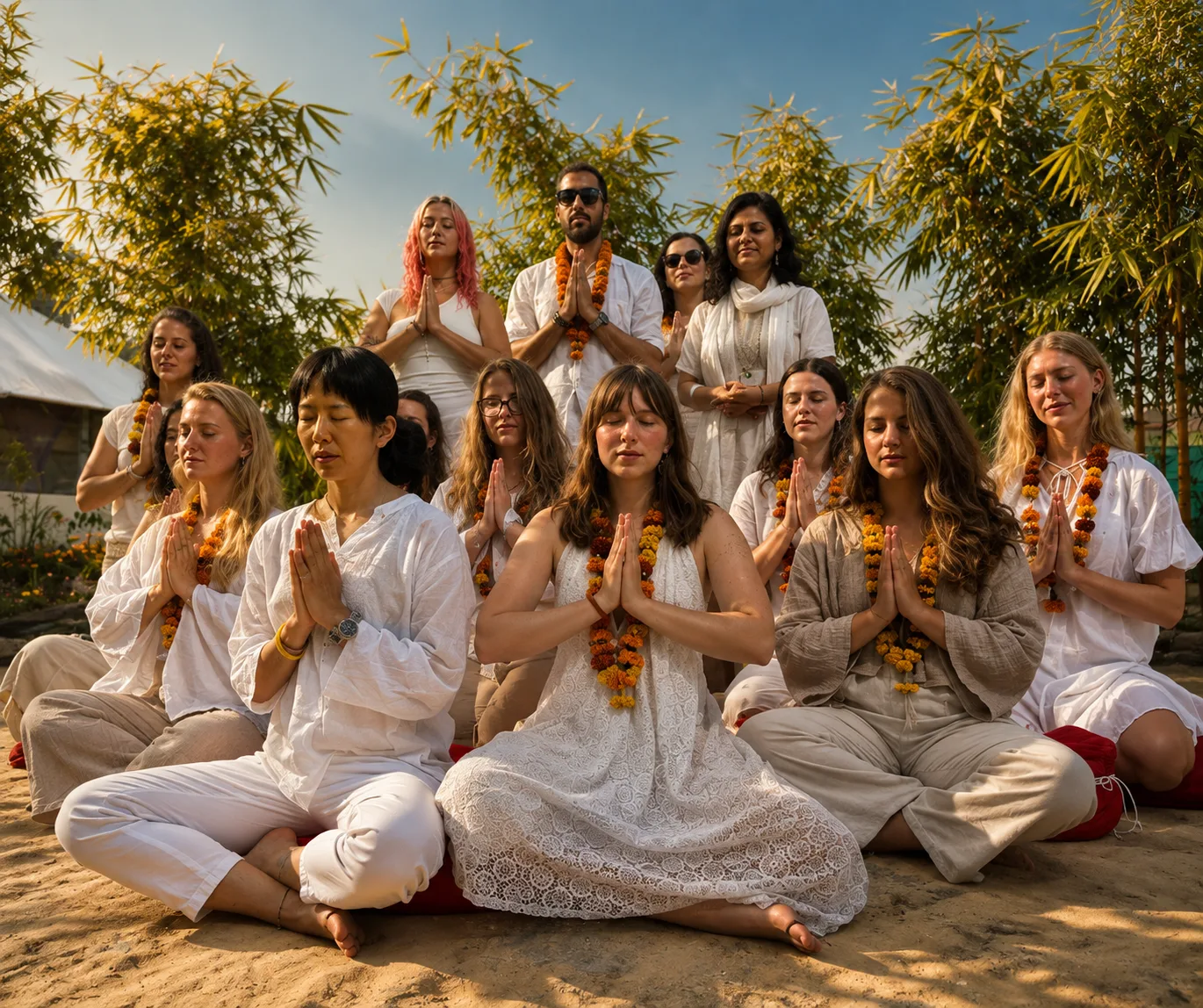
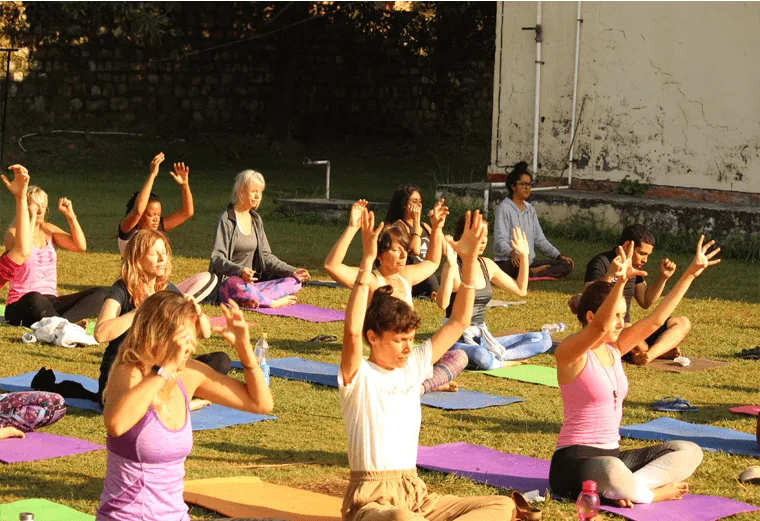
Triguna Yoga School is a Yoga Alliance Registered School in Rishikesh, offering traditional Yoga Teacher Training programs led by experienced teachers. Our courses combine asana, pranayama, meditation, and yoga philosophy to help students deepen their practice and build the confidence to teach in a supportive learning environment.


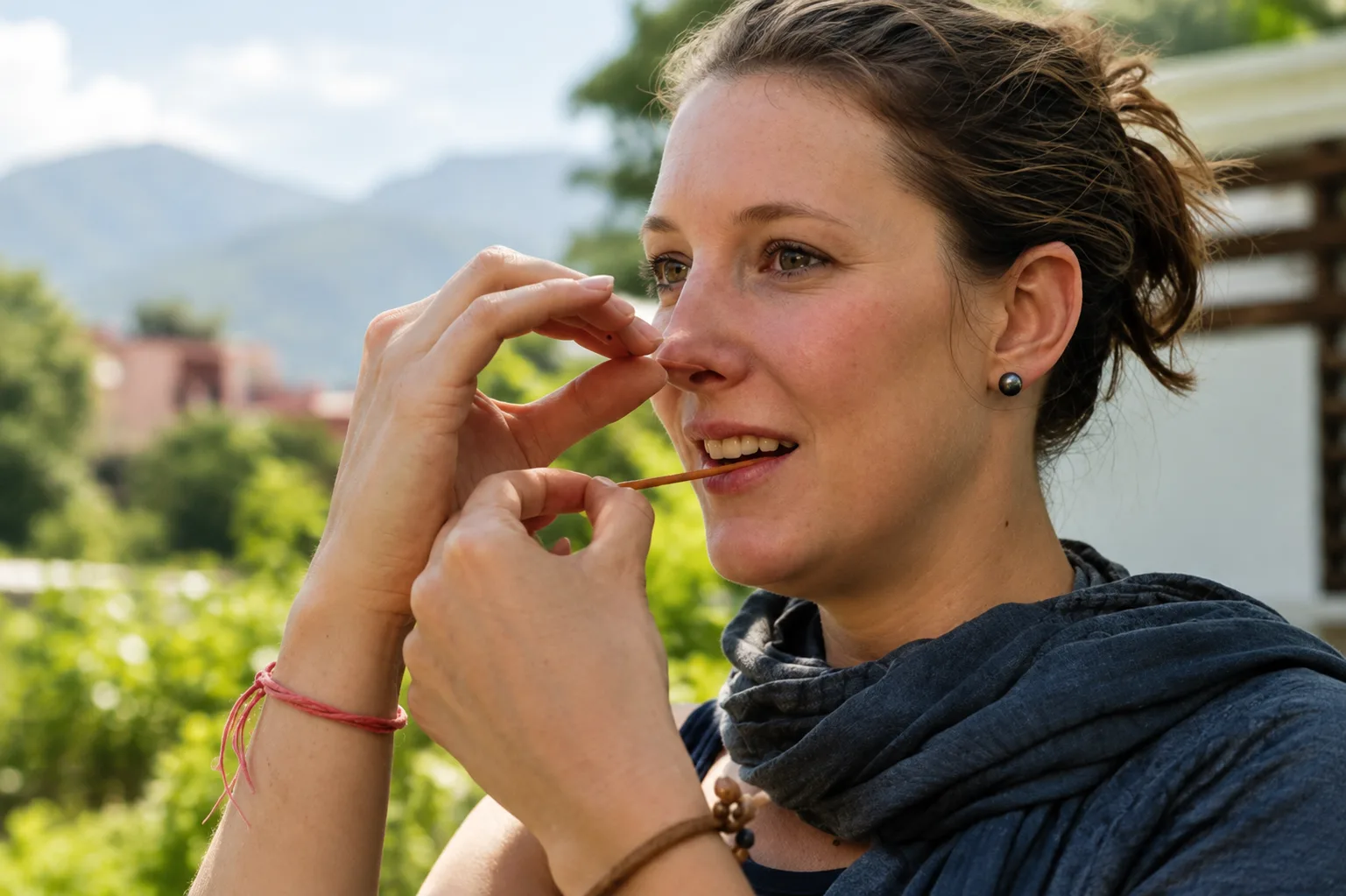
Alongside asana, pranayama and meditation, the training introduces naturopathy-inspired practices as part of a broader yogic learning environment.
A programme within the training covering selected body points, breathing techniques, sound, laughter and meditation. Sessions introduce theory, practice structure and the relationship between yogic practice and emotional awareness.
You will learn how the five elements are discussed in yogic and naturopathy traditions. Mud, water and air practices may be introduced, with teaching on fire and ether through guided fasting concepts and meditation.

Foundation Course

Teacher Training

Advanced Course
100 Hour Yoga TTC runs from 2nd-14th of every month. Arrival is planned one day before the course begins.
200 Hour Yoga TTC runs from 2nd-26th of every month. Arrival is planned one day before the course begins.
300 Hour Yoga TTC runs from 2nd-30th of every month. Check out is planned the next morning after course completion.


Meet the teachers who guide Yoga Teacher Training in Rishikesh through traditional practice, meditation, pranayama and grounded study.
Specialist in Hatha and Ashtanga Yoga, bringing students into steady practice with an emphasis on peace, balance and traditional yogic discipline.
Ask About This Teacher
Expert in meditation and breathing techniques, guiding students toward mental clarity through mindful practice, breath awareness and calm inner focus.
Ask About This Teacher
Master in Ayurveda and natural healing through yoga practices, supporting students with grounded guidance for body, mind and lifestyle balance.
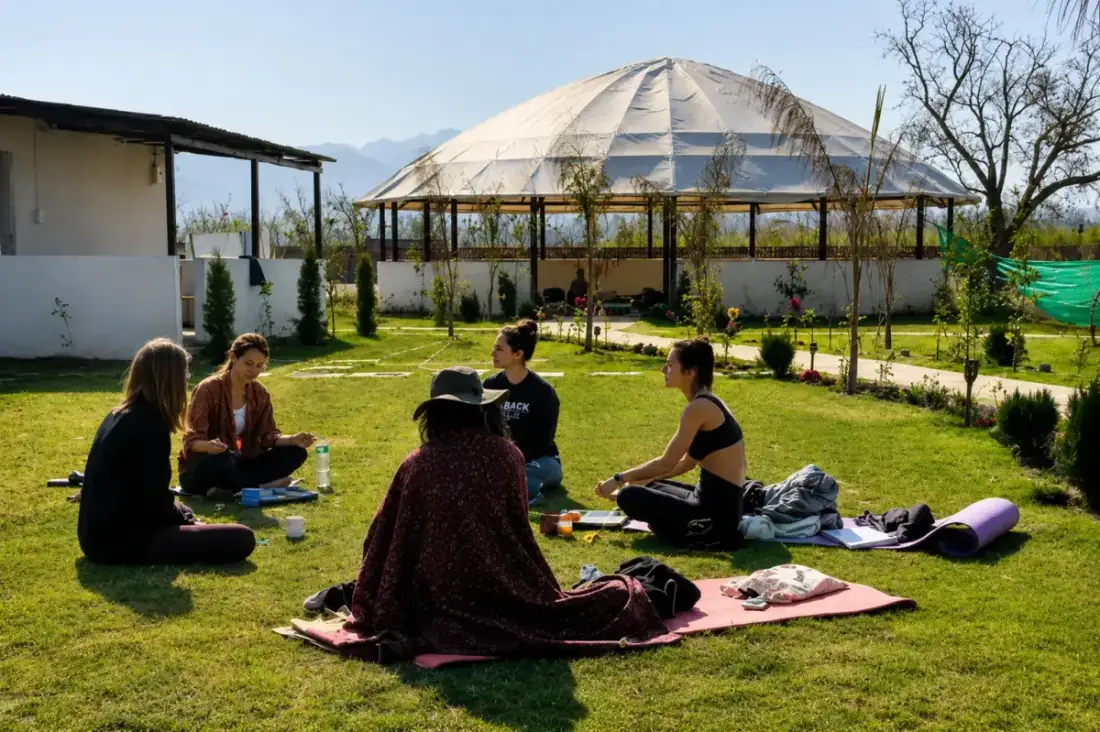
Ask About This TeacherNestled between peaceful mountains and the Ganga, Triguna Yoga School offers a focused residential environment for learning, practice, and community in Rishikesh.
Our admissions team can explain the daily schedule, class style, practice level and what to prepare before travelling to Rishikesh.
Students can ask about accommodation, vegetarian meals, airport pickup options and what is included in the residential course fee.
International students can use the consultation form or WhatsApp to discuss travel dates, course fit and practical questions.
Browse the most common questions from international students about Yoga Teacher Training in Rishikesh, India.
Triguna Yoga School focuses on depth over paperwork, with experienced teachers, manageable class sizes, and a curriculum that blends traditional philosophy with real teaching practice.
The teaching team comes from long personal practice lineages in Hatha and Ashtanga Yoga, so students learn the philosophy, anatomy, and energetic principles behind each technique. The curriculum covers asana, pranayama, meditation, anatomy, and practical teaching sessions from day one. Students leave with a Yoga Alliance-recognized certification and a clearer foundation for leading classes with care. If you're looking for a Yoga School in Rishikesh that treats teacher training as sincere study rather than a transaction, Triguna Yoga School is built around that intention.
Yes, complete beginners are welcome, and the 200 Hour Yoga Teacher Training Course is structured to build practice gradually from the ground up.
The daily schedule starts with foundational alignment and breathing before progressing into more demanding sequences, so your body and understanding develop step by step. Teachers offer modifications and encouragement during practical sessions rather than expecting perfection. Many students who arrive with little or no yoga background use the course to build a personal practice and learn how to guide others through the same fundamentals. What matters most is a genuine willingness to learn, stay consistent, and remain open to both the physical and philosophical sides of yoga.
Yes, the Yoga Teacher Training Course is designed to meet Yoga Alliance standards for graduates who want to register as Registered Yoga Teachers.
Many studios, retreat centers, gyms, and online teaching platforms ask for Yoga Alliance-certified instructors, especially in markets such as the US, UK, Europe, Canada, and Australia. Beyond the certificate itself, the training is structured so the hours and subjects reflect the required areas of study: anatomy, teaching methodology, philosophy, and supervised practice teaching. This combination of formal accreditation and substantive training helps graduates present their background clearly when applying to teach or continuing their education.
Yes, the course is built to prepare students to teach through practical teaching sessions, direct faculty feedback, and study of sequencing, cueing, and classroom management.
Throughout the course, you'll lead segments of class under the observation of experienced faculty and gradually build the confidence needed to hold space for a full class. The curriculum covers sequencing, adjustments, cueing, and classroom management alongside philosophical and anatomical knowledge. By the time students complete either the 200 Hour or 300 Hour Yoga Teacher Training, they have practiced teaching with peers and received feedback. The training is designed to support students who want to begin teaching or deepen their existing practice with a clearer methodology.
A typical day follows a traditional yoga-study rhythm with morning practice, philosophy and anatomy classes, teaching methodology, and evening reflection or practice.
Mornings usually begin early with meditation or pranayama, followed by an asana practice session, often Hatha or Ashtanga depending on the day's focus. After breakfast, students attend philosophy and anatomy lectures that build the theoretical foundation behind the physical practice. Afternoons are reserved for alignment workshops and practical teaching sessions where students take turns instructing peers. Evenings may include a second practice session, satsang, dinner, and self-study time. The structure builds progressively while leaving space for rest and integration.
Accommodation and meals are included as part of the residential program, with simple rooms and fresh sattvic vegetarian food aligned with the learning environment.
Rooms are designed to support focus and rest rather than luxury distraction. Meals are prepared fresh and aligned with yogic dietary principles. Living on-site also means you're immersed in the practice community throughout the day, sharing meals and downtime with fellow trainees. Basic amenities such as WiFi, laundry, and common study areas may be available depending on the batch and room type. If you have specific dietary needs or accommodation preferences, it is best to confirm details directly with the school before enrolling because exact arrangements can vary by batch and season.
Rishikesh is widely known as the Yoga Capital of the World because of its long history as a center for yogic and Vedantic study near the Ganges and Himalayas.
Studying here means you are surrounded by ashrams, temples, and a community of serious practitioners, which can support focus during an intensive Yoga Teacher Training Course. The natural setting also plays a role: the sound of the river, the mountain air, and the slower pace of life make it easier for many students to step away from daily distractions and absorb the training. This is why many international students specifically choose Rishikesh for traditional yoga study.
No, age and flexibility are rarely real barriers; flexibility develops through consistent practice, and the course welcomes students across a wide age range.
What matters more is your willingness to show up daily, listen to your body, and be patient with your progress. Practical sessions include modifications for different body types and fitness levels, so a student who cannot yet touch their toes can still participate. Teaching yoga well often has more to do with understanding alignment, anatomy, and how to guide others safely than with personal flexibility. Many experienced teachers built their ability through consistent training rather than natural flexibility.
The right choice depends on your starting point: the 200 Hour course is the foundation, while the 300 Hour course is for students who already have a 200 Hour certification.
A 200 Hour Yoga Teacher Training Course covers core asana, pranayama, anatomy, philosophy, and teaching methodology, and is the usual entry point for new students. A 300 Hour Yoga Teacher Training is typically pursued by those who already hold a 200 Hour certification and want to refine advanced techniques or move toward 500-hour RYT status. If you're new to structured yoga education, the 200 Hour course is the most appropriate starting point. If you're already certified and want deeper study, the 300 Hour program is the more relevant next step.
For many students, Yoga Teacher Training is valuable because it combines practical teaching skills with personal study, discipline, and a deeper understanding of yoga.
Students use the training to build skills in sequencing, teaching methodology, anatomy, class presence, and self-practice. Some graduates go on to teach in studios, private sessions, corporate wellness settings, online classes, or retreats, but outcomes depend on each student's effort, market, and continued practice. The deeper value is often personal: daily discipline, self-study, and immersion in a focused learning environment can shift how students understand yoga and themselves. Whether the investment is right for you depends on your intention, readiness, and long-term goals.
The curriculum covers Hatha and Ashtanga asana, pranayama, meditation, yoga philosophy, anatomy, and teaching methodology.
Anatomy and physiology are taught with a focus on safe alignment and injury awareness while teaching. Teaching methodology is a major component: students learn how to sequence classes, cue verbally and physically, adjust students safely, and manage a classroom through supervised teaching practice. Alongside these core subjects, courses may also include yogic lifestyle and ethics, mantra chanting, and Ayurveda basics. This structure supports responsible teaching because yoga education requires understanding the reason behind the practice, not only performing postures.
Triguna Yoga School prepares students through repeated guided teaching practice under faculty observation, supported by theory in anatomy, philosophy, and traditional yoga.
From early in the training, students actively practice teaching segments to peers under experienced instructor observation. Teachers provide constructive feedback on cueing, alignment corrections, and classroom presence. The course pairs practical teaching with theoretical grounding so students understand the reasoning behind what they teach and can adapt more responsibly in real class situations. By graduation, students have practiced teaching, received feedback, and started developing their own teaching voice.
Share your course interest and preferred travel dates, and our admissions team will help you understand the next steps.